
Where Fehujao is headed
Decision-making is a skill that most people use every day and almost nobody studies deliberately. At Fehujao, the work began in 2017 with a straightforward question: what would a learning environment look like if it were built around how people actually think, rather than how they are expected to perform? That question still shapes everything we do.
The platform brings together group sessions and individual instruction because neither format alone covers the full range of how people learn. Some ideas take hold in discussion; others need quiet, one-on-one attention. Fehujao holds space for both, and the path a learner takes is shaped by what they genuinely need rather than what is easiest to deliver at scale.
About the team
Three principles that guide the work
These are not aspirational statements. They are the specific commitments that shape how sessions are designed, how instructors are selected, and how progress is measured.
Pace set by the learner
Progress moves at the speed that produces genuine understanding, not the speed that fills a calendar slot. Instructors adjust the structure of a session mid-course when the material calls for it.
Decisions as the subject
Every module, exercise, and case study connects back to the central question of how choices are made under uncertainty. Theory is introduced only when it has a direct application to that question.
Group and individual in parallel
The platform does not treat group learning as a cheaper substitute for private instruction. Both formats are fully resourced, and learners move between them based on where they are in their development.
What the longer term looks like
Fehujao is not trying to become a broad-spectrum education platform. The focus stays on decision-making because the field is deep enough to sustain a dedicated curriculum and specific enough to attract people who know exactly what they want to work on. Expanding the subject matter is not on the roadmap.
What is on the roadmap is a more granular personalisation layer — tools that help instructors identify which cognitive patterns a learner brings into the room before the first session begins, so that the time spent together is spent on the right problems. That work is ongoing and will not be announced until it is ready.
The Dublin location serves the local community directly, and that connection to a specific place matters. Remote sessions extend the reach, but the regional grounding keeps the work honest and the feedback loop short.
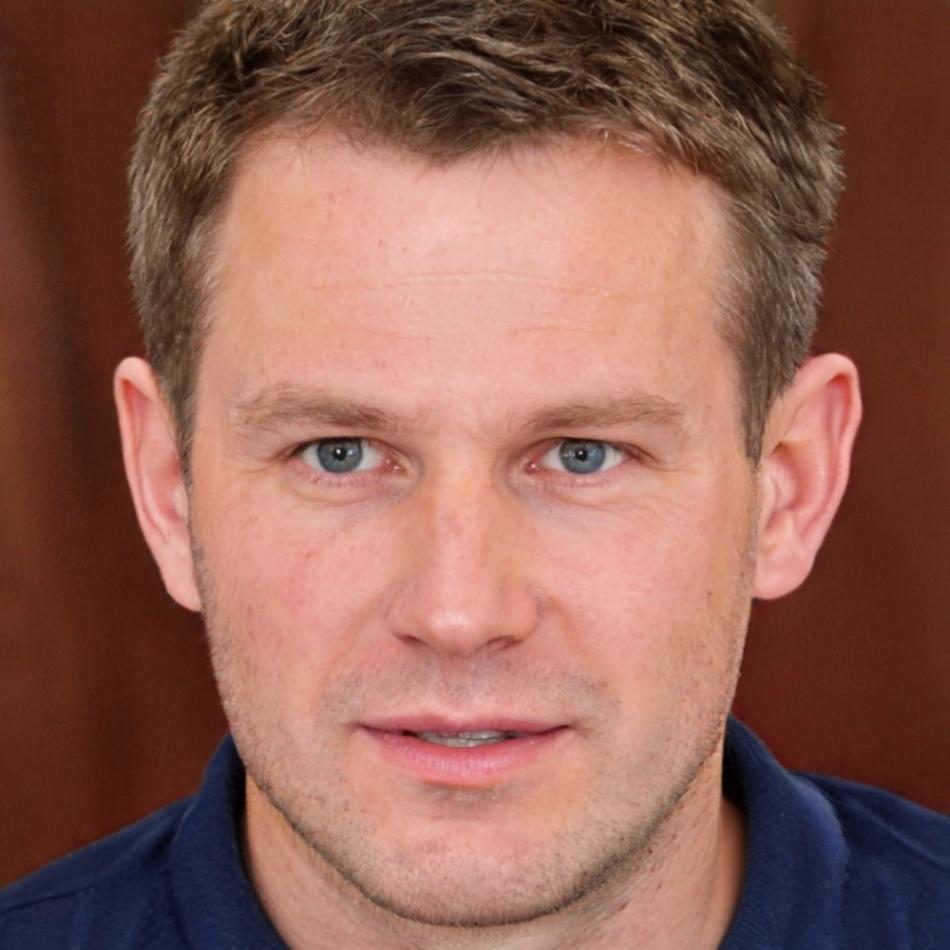
The most interesting thing about decision-making is that people rarely disagree on the outcome they want — they disagree on how to read the situation in front of them. That gap is where the work happens.
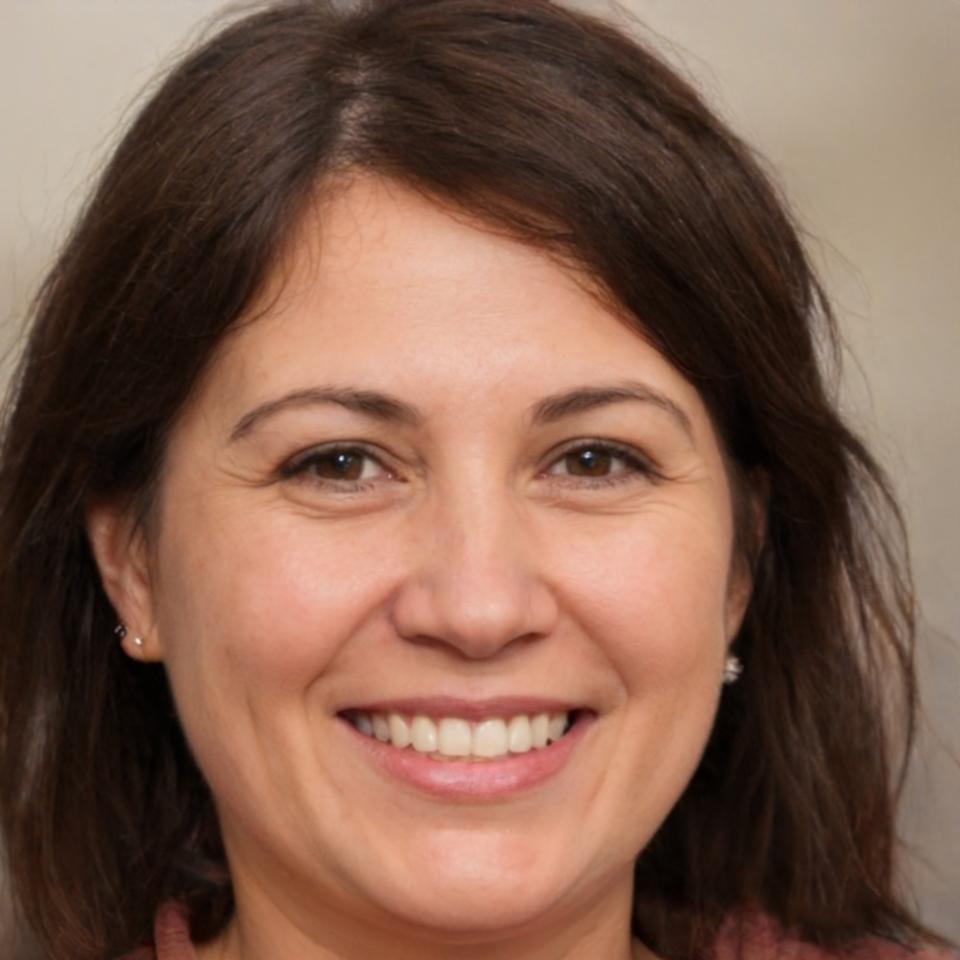
One-on-one work reveals assumptions that group settings rarely surface. A learner can agree with everything said in a group session and still carry a habit that quietly shapes every choice they make.